Yongkru: A Playful Font for Modern Retro Branding
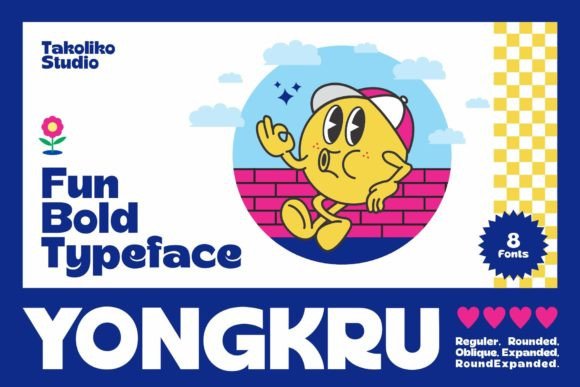
If your design project needs an instant injection of personality and nostalgia, the right typeface is your most powerful tool. Yongkru is a bold, fun, and playful font designed to do exactly that, capturing a vibrant retro essence while feeling fresh for today's creative landscape.
Anatomy of a Characterful Typeface
At its core, Yongkru features a big, cute, and bold anatomy. This gives it a substantial visual weight that commands attention, making it ideal for headlines, logos, and any application where you need your message to stand out immediately. The letterforms are soft and rounded, evoking a friendly and approachable feeling that is inherently positive.
The font's inspiration is drawn directly from the bold aesthetics of the 70s, 80s, and 90s—a period known for its expressive and unapologetic use of typography. However, Yongkru modernizes this vibe. It balances its playful, cartoony character with a touch of modesty and contemporary refinement, allowing it to function in both fun and slightly more formal contexts. This unique blend makes it a versatile asset for a wide range of graphic design and branding projects.
Practical Applications for Visual Impact
The true value of a creative asset like Yongkru lies in its application. Its distinctive style can elevate numerous projects across different mediums, helping to create a cohesive and memorable visual identity.
- Branding and Logo Design: Use Yongkru to craft logos that are instantly recognizable and full of character. It’s perfect for brands in the food, entertainment, children's products, or lifestyle sectors that want to communicate joy and approachability.
- Marketing and Social Media Graphics: In the fast-paced world of digital marketing, stopping the scroll is key. Yongkru’s bold presence makes it excellent for eye-catching social media posts, advertisements, and promotional materials that need to convey a happy, retro-inspired message.
- Web and UI Design: While primarily a display font, Yongkru can be used strategically in web design for hero sections, call-to-action buttons, or feature titles to inject personality into a user interface, enhancing the overall user experience with a touch of playful energy.
- Packaging and Editorial Design: From product labels to magazine headlines, this font helps create a strong visual hierarchy. Its clarity at larger sizes makes it superb for packaging design where shelf appeal is critical, and for editorial layouts that aim for a fun, accessible tone.
Integrating Yongkru Into Your Design Workflow
Successfully incorporating a distinctive typeface requires thoughtful consideration. To ensure Yongkru enhances rather than overwhelms your project, consider these practical tips:
- Establish Visual Hierarchy: Use Yongkru for primary headlines and key messaging. Pair it with a clean, neutral sans-serif or serif font for body text to ensure readability and create a balanced composition. This contrast guides the viewer's eye effectively.
- Harmonize with Color and Imagery: The font’s retro roots pair beautifully with warm, saturated color palettes or playful pastels. Complement it with imagery that matches its fun, happy vibe—think bold graphics, illustrations, or retro-themed photography to create a cohesive design aesthetic.
- Maintain Brand Consistency: When building a brand identity, consistency is paramount. Define clear guidelines for where and how Yongkru is used across all touchpoints—from your website and social media to print materials—to build a strong, recognizable brand voice.
- Evaluate Scalability and Context: Test the font in your intended applications. Ensure it remains legible and impactful at the sizes you plan to use, whether for a small merchandise tag or a large banner. Always consider your audience’s expectations and the project's core message.
In the evolving landscape of design trends, typography remains a fundamental element of effective visual communication. Choosing a font like Yongkru is not just about selecting a style; it's about adopting a voice that can resonate emotionally with your audience. By thoughtfully integrating such creative assets, designers and creators can significantly enhance the aesthetic quality and communicative power of their work, turning ordinary projects into memorable experiences that connect and delight.