Ignite Inspiration and Foster Skill Development with Dot Tracing
In a digital landscape saturated with static text, the interactive potential of a well-designed font can transform passive viewing into active engagement. Dot tracing font offers a unique solution, blending the precision of typography with the tactile appeal of hand-lettered practice. This specialized typeface, featuring dotted letter outlines, serves as a powerful tool for designers aiming to create materials that are not only visually appealing but also functionally educational and creatively inspiring.
The Design and Function of Dot Tracing
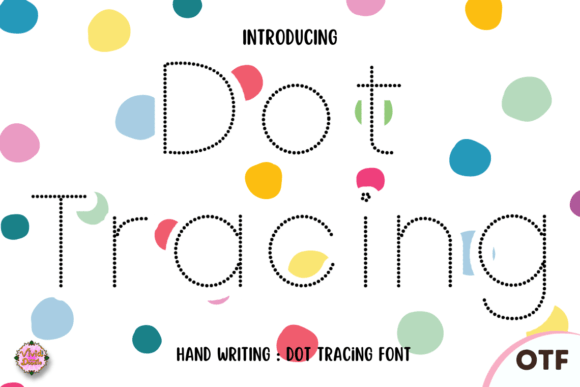
At its core, dot tracing is a typographic style where each letterform is rendered as a series of connected or spaced dots. This design creates a guided path, inviting the viewer to follow along—either visually or physically with a pen or stylus. For graphic designers, this style bridges the gap between artistry and utility. It introduces a dynamic, interactive layer to projects, making it ideal for applications where user participation enhances the experience. The dotted structure inherently supports motor skill development and letter recognition, making it a valuable asset for educational content, children's branding, and interactive learning modules.
Practical Applications Across Creative Projects
The versatility of a dot tracing font allows it to elevate a wide range of design work. Its playful yet structured aesthetic fits seamlessly into projects that require clarity and engagement.
- Branding and Logo Design: Incorporate dot tracing elements into logos or brand marks for educational institutions, children's products, or creative studios. It conveys a sense of guidance, learning, and approachability.
- Marketing and Social Media Graphics: Create standout social media posts, stories, or email headers that encourage interaction. Use it for call-to-action buttons or key messages to draw the eye and prompt engagement.
- Editorial and Web Design: Apply it to magazine pull quotes, website banners, or UI elements for apps focused on learning, creativity, or mindfulness. It adds a tactile, human touch to digital interfaces.
- Packaging and Merchandise: Design product packaging, tote bags, or notebooks that appeal to a creative or educational audience. The dotted font style can suggest customization or a "work-in-progress" aesthetic.
- Presentations and Digital Products: Enhance slide decks, worksheets, or digital planners with traceable letterforms. This is particularly effective for training materials, workshop handouts, or interactive PDFs.
Integrating Dot Tracing into Your Design Workflow
Successfully using a dot tracing font requires thoughtful application. Consider these factors to ensure it enhances, rather than overwhelms, your design:
- Consistency and Scalability: Ensure the dot pattern remains clear and legible at various sizes, from small body text to large headlines. Test the font across different media, including print and digital screens.
- Visual Hierarchy: Use dot tracing strategically for emphasis. It works best for headlines, logos, or key phrases rather than extended body text, where readability is paramount.
- Color and Composition: Pair the font with a cohesive color palette that complements its playful nature. Consider using a single, bold color for the dots to maintain clarity and visual impact.
- Audience and Context: Align the font's use with your audience's expectations. It resonates strongly with projects targeting educators, parents, children, or creative professionals seeking innovative design assets.
When selecting a dot tracing font, evaluate its character set, punctuation, and language support. A well-crafted font will offer consistent dot spacing and weight, ensuring a professional result. Look for fonts that include stylistic alternates or additional glyphs, providing flexibility for diverse creative projects.
Elevating Communication Through Thoughtful Typography
Typography is a fundamental pillar of visual communication, influencing how a message is received and interpreted. A dot tracing font introduces an element of interaction and discovery, transforming static text into an engaging visual journey. By carefully integrating such creative assets into your design toolkit, you can foster deeper user engagement, strengthen brand identity, and create materials that are both beautiful and functionally effective. In the realm of modern graphic design, where user experience and visual impact are paramount, choosing the right typographic elements can make all the difference in crafting memorable and successful designs.