Broken Graffiti Font: Unleash Urban Energy in Your Designs
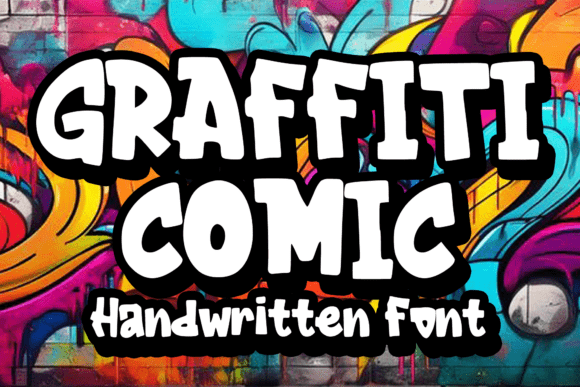
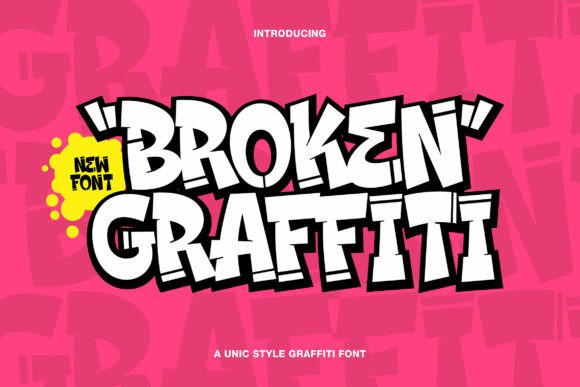
Some typography whispers; the Broken Graffiti font shouts with comic-book swagger and street-art attitude. This isn't just another display typeface—it's a visual shortcut to raw energy, designed to make an instant impact in modern graphic design. Its chunky, caps-only forms are built from thick sans-serif strokes that snap into angular breaks and split joints, giving each letter a chipped, "cracked wall" texture that feels authentically urban.
Understanding the Anatomy of Impact
What makes Broken Graffiti so effective is its deliberate construction. The bowls are squashed and square-shouldered, counters remain open for legibility at large sizes, and crossbars kick upward with a playful bounce. This combination injects motion into every word while maintaining readability. A bold outer stroke invites layered color, sticker effects, and easy outlining, while the compact width and tight default spacing create dense, punchy headlines that command attention.
Why This Typography Matters in Visual Communication
In today's saturated visual landscape, fonts carry emotional weight. Broken Graffiti delivers a voice that's brash, friendly, and a little mischievous—perfect for brands that want to read loud and fast. Its broken edges aren't flaws; they're features that deliver instant urban energy, making it a powerful tool in your design workflow for creating memorable visual hierarchies and engaging user experiences.
Practical Applications Across Creative Projects
Broken Graffiti excels where personality and impact are non-negotiable. Its versatility spans numerous applications:
- Branding and Logo Design: Ideal for streetwear tags, music labels, or youth-oriented brands seeking an edgy, contemporary aesthetic. It creates logos with built-in attitude.
- Marketing Materials: Use it for event posters, hip-hop flyers, or guerrilla marketing campaigns where grabbing attention is the primary goal.
- Digital Content Creation: Perfect for YouTube thumbnails, gaming titles, social media graphics, and snack or toy packaging that needs to pop on crowded feeds.
- Editorial and Print Design: Effective for magazine covers, zine headings, or book titles that target a youthful, rebellious audience.
Integrating Broken Graffiti Effectively
Using a high-impact font like this requires strategic thinking. For maximum effect in your graphic design projects, consider these professional insights:
- Pair with Contrast: Let Broken Graffiti headline, but pair it with a clean grotesk or simple sans-serif for body copy. This maintains readability while preserving visual interest.
- Embrace Layering: Utilize its bold outer stroke for drop shadows, outlines, or sticker effects. A thoughtful color palette can enhance depth and dimension.
- Consider Context: While powerful, this font isn't for every situation. It's best for projects targeting audiences who appreciate street culture, gaming, or contemporary urban aesthetics.
- Maintain Hierarchy: Use it sparingly for maximum impact—typically for headlines, logos, or key call-to-action text. Overuse can diminish its punch.
Elevating Your Design Workflow
Quality creative assets like Broken Graffiti streamline your process while elevating results. When evaluating typography for your projects, consider how it aligns with your brand identity, whether it scales appropriately for different media, and how it interacts with your overall composition. This font excels in creating strong visual hierarchy where the headline needs to do heavy lifting, making it valuable for everything from web design hero sections to packaging design that needs shelf appeal.
Ultimately, thoughtful design choices about typography, color, and composition transform good projects into great ones. Selecting assets that carry genuine personality—like Broken Graffiti—doesn't just enhance aesthetics; it strengthens communication, creates emotional connections, and helps your work stand out in a competitive visual environment. The right font isn't just a tool; it's a strategic decision that shapes how your audience perceives and engages with your message.